In my view, the most exciting opportunities for innovation and disruption lie at the intersection of technology and business process. That’s why I’m so bullish on the potential of AI-powered automation to revolutionize the way we work. By harnessing the capabilities of AI, organizations can automate mundane tasks, freeing up valuable resources to focus on strategic initiatives.

What is Business Automation?
Business automation refers to the use of technology to simplify, streamline, and optimize business processes, minimizing manual intervention and maximizing efficiency.
AI-powered automation takes this concept to the next level by leveraging advanced algorithms, machine learning, and natural language processing to perform tasks with
unprecedented accuracy and speed.
Benefits of AI-Powered Business Automation
-
Increased Productivity: Automating repetitive tasks enables employees to focus on high-value activities, driving innovation and growth.
-
Improved Accuracy: AI systems can process vast amounts of data without errors, reducing the likelihood of human mistakes.
-
Enhanced Customer Experience: Automated processes enable faster response times, personalized interactions, and tailored services.
-
Cost Savings: Reduced manual labor and minimized errors translate to significant cost savings.
-
Scalability: AI-powered automation enables businesses to handle increased volumes of work without proportionally increasing resources.
Applications of AI-Powered Business Automation
-
Customer Service Chatbots: AI-driven chatbots provide 24/7 customer support, answering queries, and resolving issues with ease.
-
Data Entry and Processing: Automated data entry and processing enable faster decision-making, improved accuracy, and reduced manual labor.
-
Invoicing and Accounts Payable: AI-powered automation streamlines invoicing, payment processing, and accounts payable, minimizing errors and delays.
-
HR and Recruitment: Automated HR processes, such as candidate screening, onboarding, and benefits administration, enhance the employee experience.
-
Supply Chain Management: AI-driven automation optimizes inventory management, logistics, and procurement, reducing costs and improving efficiency.
Getting Started with AI-Powered Business Automation
Embarking on an AI-powered business automation journey can be a daunting task, especially for organizations with limited experience in artificial intelligence. However, with a clear understanding of the steps involved and a well-planned approach, businesses can navigate the complexities of automation and reap its numerous benefits.
Identify Areas for Automation
The first step in getting started with AI-powered business automation is to identify areas within your organization that are ripe for automation. This involves analyzing business processes to pinpoint tasks that are:
-
Repetitive: Tasks that are repetitive in nature, such as data entry, bookkeeping, or document processing, are ideal candidates for automation.
-
Time-Consuming: Processes that consume a significant amount of time, such as customer service inquiries or sales lead follow-ups, can be streamlined with automation.
-
Prone to Errors: Tasks that are prone to human error, such as data validation or calculation-intensive processes, can benefit greatly from automation.
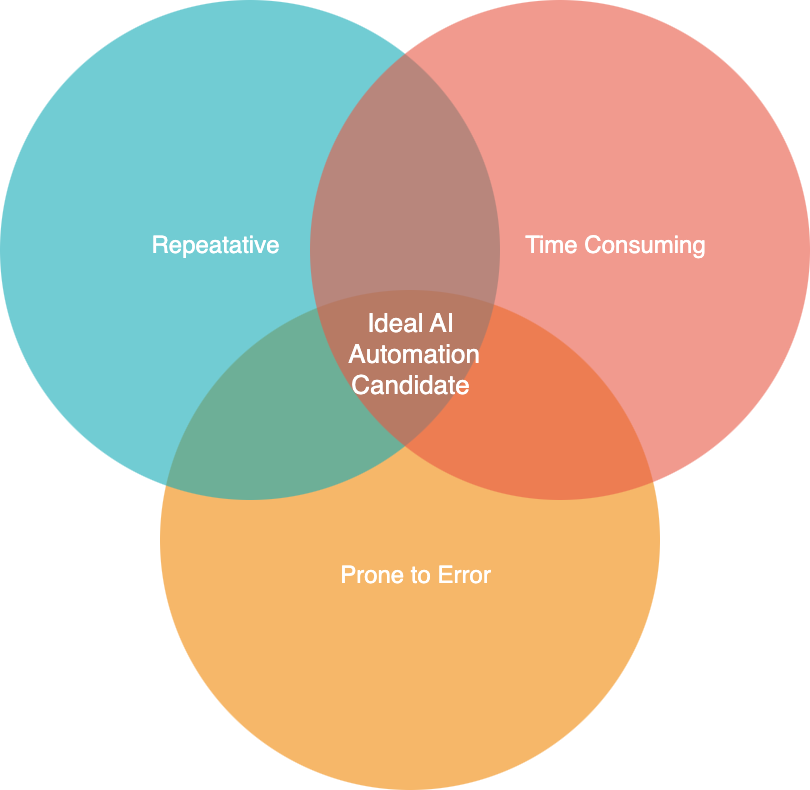
To identify areas for automation, consider the following:
-
Map out your business processes to visualize workflows and pinpoint inefficiencies.
-
Conduct a task-level analysis to identify repetitive, time-consuming, or error-prone tasks.
-
Engage with employees to gather insights on pain points and areas for improvement.
-
Analyze customer feedback and complaints to identify opportunities for automation-driven enhancements.
Develop a Clear Strategy
A clear strategy is essential for successful AI-powered business automation. This involves establishing a comprehensive roadmap that outlines objectives, timelines, and resource allocation for AI-powered automation initiatives. A well-planned strategy should consider:
-
Business objectives: Align automation initiatives with overarching business goals, such as cost reduction, efficiency improvement, or enhanced customer experience.
-
Process prioritization: Prioritize processes for automation based on their potential impact, complexity, and feasibility.
-
Resource allocation: Assign dedicated resources, including personnel, infrastructure, and budget, to support automation initiatives.
-
Timeline: Establish realistic timelines for automation implementation, considering factors such as data preparation, model training, and testing.
When developing a clear strategy, consider the following:
-
Engage stakeholders: Involve key stakeholders, including business leaders, process owners, and IT representatives, in strategy development.
-
Conduct feasibility studies: Perform feasibility studies to assess the viability of automation initiatives.
-
Develop a phased approach: Break down complex automation initiatives into manageable phases, ensuring incremental progress and learning.
Monitor and Refine
The final step in getting started with AI-powered business automation is to continuously monitor and refine automated processes to ensure optimal performance, accuracy, and ROI. This involves:
-
Establishing KPIs: Define key performance indicators (KPIs) to measure the effectiveness of automation initiatives.
-
Conducting regular audits: Perform regular audits to identify areas for improvement and optimize automated workflows.
-
Gathering feedback: Collect feedback from employees, customers, and stakeholders to refine automation strategies.
When monitoring and refining automated processes, consider the following:
-
Establish a feedback loop: Create a feedback loop that enables continuous refinement and optimization of automated workflows.
-
Leverage analytics: Utilize analytics platforms to monitor KPIs, identify trends, and pinpoint areas for improvement.
-
Foster a culture of innovation: Encourage a culture of innovation within your organization, promoting experimentation and learning.
Conclusion
AI-powered business automation is a transformative force that can revolutionize the way organizations operate. By embracing this technology, businesses can unlock unprecedented levels of efficiency, productivity, and innovation. As you embark on your automation journey, remember to identify areas for improvement, choose the right tools, develop a clear strategy, train employees, and continually monitor and refine processes.
References
-
“AI Strategy Blueprint: Frameworks for Executive Leadership in the AI Era”
-
“AI, automation, and the future of work: Ten things to solve for” by McKinsey & Company (McKinsey)
-
“What is intelligent automation?” by IBM (IBM)
-
“Generative AI Trends For Business: Why, When, And Where To Begin” by Forrester Research (Forrester)
Article tools